
Someone Died at Home? What to Do First in South Africa
2026-11-02
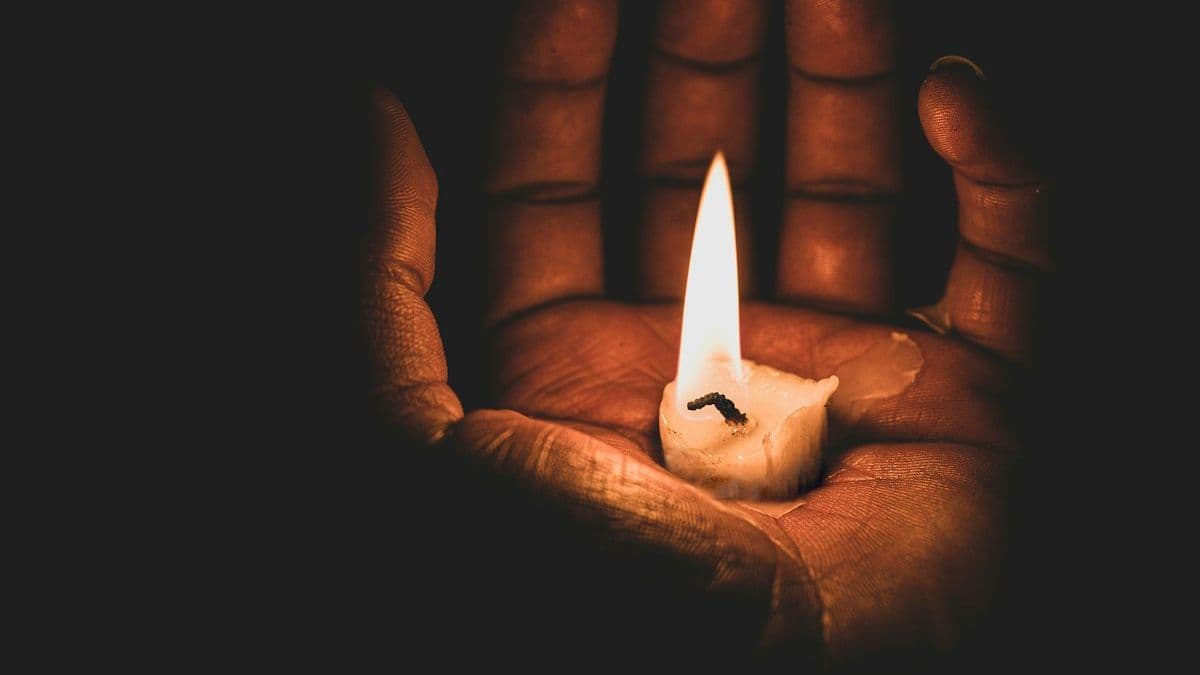
If someone has died at home, you do not have to work everything out at once. The first hours are a short list. Everything else can wait for the days that follow.
1. Call a doctor or the police. A doctor can confirm the death. If the cause is unclear, the police must be involved. After that call, take a breath: nothing else on this list is as urgent.
2. Call a registered funeral undertaker. They collect the body and can guide you through the paperwork. Ask for their registration details. Many families choose an undertaker before they need one, which is worth doing if someone is ill.
3. Make sure the death is reported. According to the South African government's own guidance, a death must be reported to Home Affairs officers, to members of the South African Police Service (especially where there is no Home Affairs office), or to an appointed funeral undertaker. Your undertaker will usually help with this step.
4. The burial order. No burial may take place unless it is authorised by a burial order. Your undertaker will normally explain how this is arranged.
5. The death certificate. Home Affairs issues the death certificate after the death has been reported. Keep it somewhere safe and ask for certified copies, because banks, insurers, the Master of the High Court and many others will ask for it.
What to leave alone for now
- Do not move money out of their bank account. Banks usually freeze it once they are told, and it is not free to use until the estate is formally administered. - Do not throw away papers. A will, policy documents and statements will matter in the coming days. - Do not sign anything you do not understand, however kind the person asking.
Then, in the first weeks
- Look for a will. Our guide on how to find out if someone left a will shows where to ask. - Report the estate to the Master of the High Court within 14 days. The deceased estate checklist lists each step. - Tell the bank and any insurers, and check for funeral cover. - Read what happens in the first weeks after someone dies for the longer picture.
If it is your own family you are planning for. The families who cope best are the ones who knew where things were. MyLegacyLivesOn gives you a checklist for your country, a place to record where everything is kept, and a free readiness check that shows where your family would be stuck today. Our short video and full guide on this subject are shown below the post.
Rules and forms can differ by case and change over time, so confirm details with your undertaker and with Home Affairs.
Start with ten minutes. Take the free 2-minute readiness check to see where your family would be stuck today, or create a free account and begin your list.
General information, not legal advice. This is a planning summary, not a legal document. Bring it to a qualified estate lawyer to formalize.